
The tale of “Chicken Road” is a fascinating narrative that intertwines folklore, economic principles, and moral lessons, making it a rich subject for study. At its core, the story revolves around a humble chicken that lays golden eggs, symbolizing prosperity and the consequences of greed. This parable has been told in various cultures, each adding its unique flavor, yet the central themes remain universal.
The story typically begins in a small village where a poor farmer discovers a chicken that lays golden eggs. Initially, the farmer is overjoyed and sees the golden eggs as a solution to his financial woes. The eggs provide him with enough wealth to live comfortably, allowing him to invest in his farm and improve his family’s quality of life. This initial phase of the story symbolizes the unexpected opportunities that can arise from seemingly mundane circumstances.
As the farmer’s wealth grows, so does his greed. Instead of appreciating the steady income from the golden eggs, he becomes impatient and desires more wealth at a faster pace. In a moment of folly, he decides to kill the chicken, hoping to find a treasure trove of golden eggs inside. This pivotal moment serves as a crucial turning point in the narrative, representing the dangers of greed and the loss of appreciation for what one already possesses.
The aftermath of the farmer’s decision is dire. Upon killing the chicken, he discovers that there are no golden eggs within. His greed leads to the loss of not only the chicken but also the steady income he once enjoyed. This outcome highlights a fundamental economic principle: the importance of sustainable wealth creation over short-term gains. The farmer’s desire for immediate gratification blinds him to the long-term benefits of patience and careful management of resources.
“Chicken Road” also serves as a moral lesson about the importance of gratitude and the consequences of impulsive decisions. The farmer’s initial joy is replaced by regret, emphasizing that wealth and prosperity should be nurtured rather than exploited. The story suggests that true wealth comes from hard work, patience, and the ability to recognize and cherish the resources at one’s disposal.
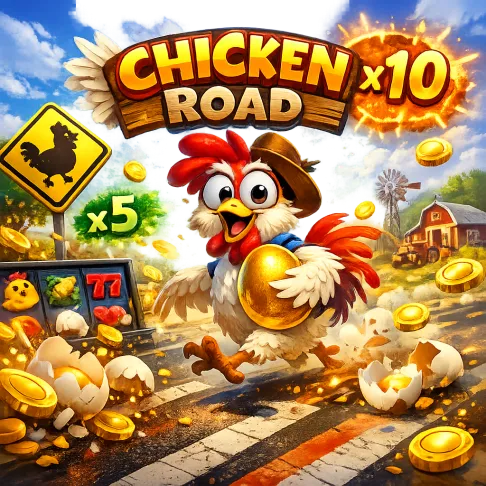
In a broader context, “Chicken Road” can be interpreted as a commentary on consumer culture and the often-destructive pursuit of material wealth. In contemporary society, individuals and businesses alike may find themselves in similar situations, chasing after quick profits without considering the long-term implications of their actions. The tale encourages readers to reflect on their values and the impact of their choices on their lives and the lives of others.
Overall, “Chicken Road: The Story Behind the Chicken and the Golden Egg” is more than just a simple fable; it encapsulates essential life lessons about greed, patience, and the importance of sustainable practices. It serves as a reminder that while the allure of quick wealth is tempting, the true path to prosperity lies in mindful stewardship of resources and an appreciation for the blessings already present in our lives. As such, this story continues to resonate with audiences, offering timeless wisdom applicable to various aspects of life and society.